
Raised-Panel Cabinets
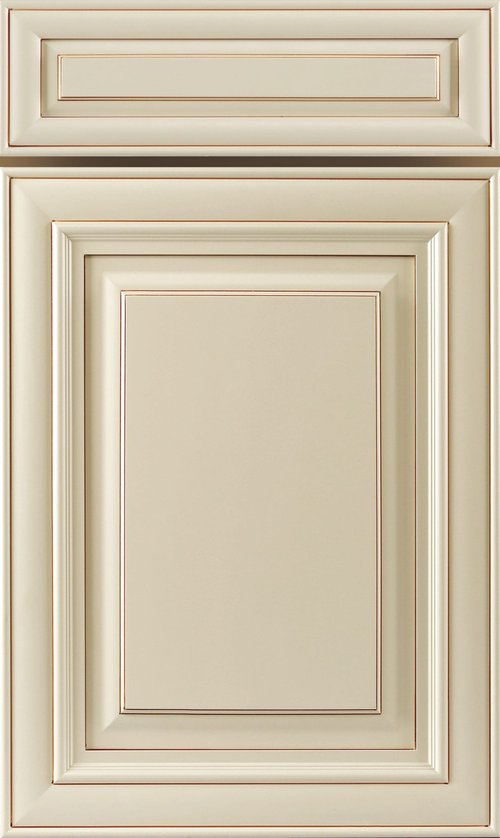
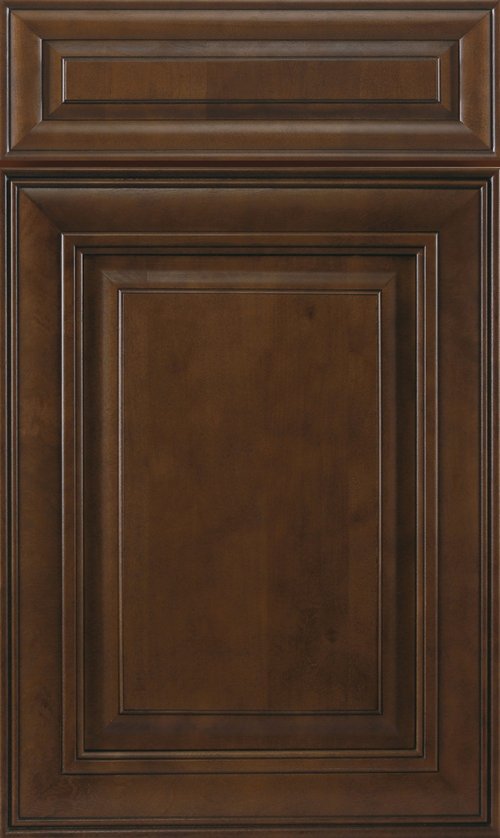
A center panel that sits proud of the frame, often with routed detail — the classic look for traditional and formal kitchens.
Pros
- Most traditional, formal appearance
- Adds dimension and shadow line to large kitchens
- Widely available in stained wood finishes
Considerations
- More surface detail to clean
- Reads dated in strictly modern spaces
How Raised-Panel Cabinets are actually built
Where a Shaker door recesses its center panel, a raised-panel door does the opposite — the center panel sits proud of the surrounding frame, usually with a routed profile easing the transition between the two levels. That extra dimension is what gives raised-panel kitchens their more formal, traditional character.
Raised-panel doors are almost always paired with glazing — a subtle wash of contrasting color settled into the routed detail lines — which is what gives J&K's Traditional collection doors like Crème Glazed and Cinnamon Glazed their aged, furniture-like depth.
This style tends to show up most in larger, more traditional kitchens where the extra shadow lines read as detail rather than clutter, and in stained wood species where the grain and the routed profile work together rather than competing.
Raised-Panel Cabinets across our brands
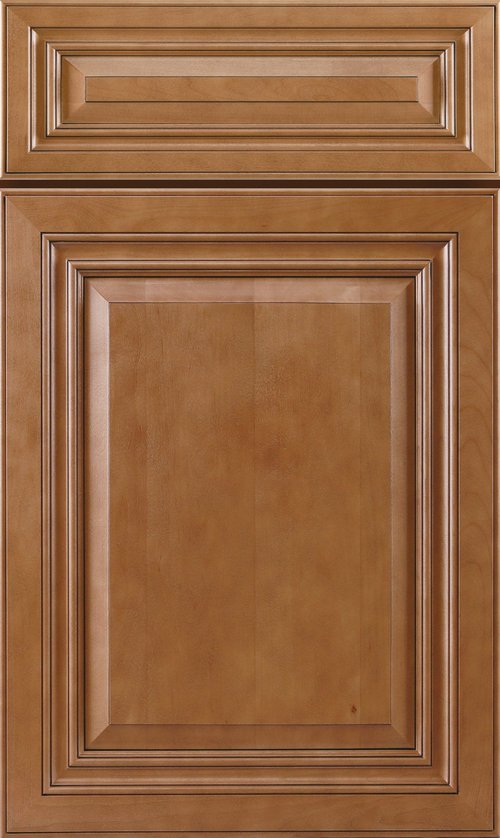
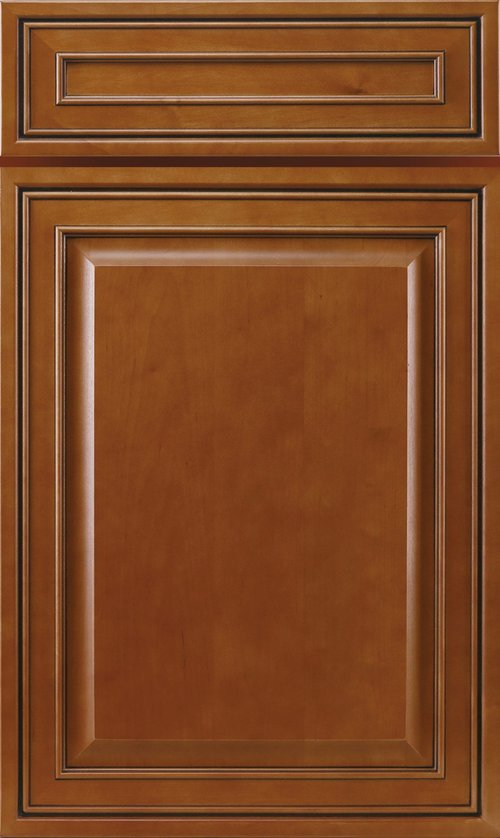
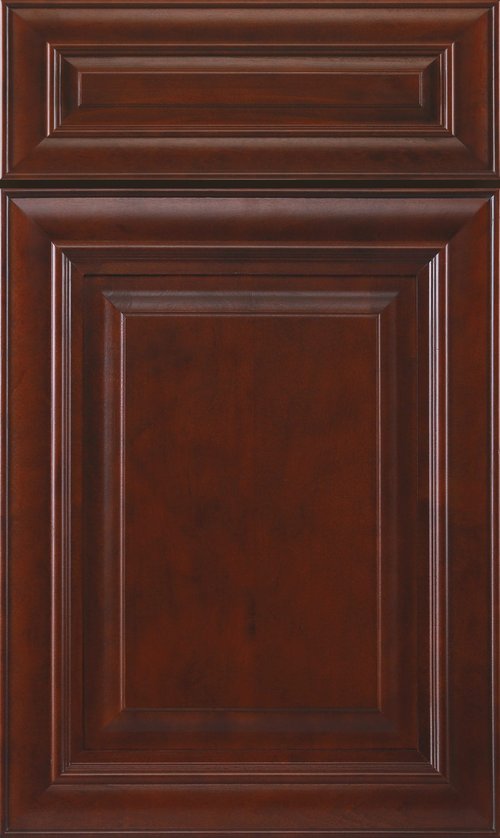
Real door samples in this style, pulled from the brands we carry.
See Raised-Panel Cabinets in our brand lineup
J&K's Traditional collection — A7 Crème Glazed, CO66 Cinnamon Glazed, K10 Mocha Glazed, and more — are all routed, raised-panel doors.
Most of our cabinet brands offer this style across multiple finishes and wood species.
Browse Cabinet Brands